The Perfect Metabolism Blueprint for Busy Lifters
We all feel it when our metabolism isn’t working with us.
You’re training, you’re “eating pretty well,” but:
The scale doesn’t budge
Energy crashes mid-afternoon
You feel like your body is stingy with every calorie
We get stuck wondering things like, “Is my metabolism just broken?” or “Do I have to starve myself to lose fat?”
When you’re unsure what to do, it’s hard to move forward.
The good news: you can bring order to the chaos by following a simple, repeatable system that improves your metabolism from multiple angles—training, nutrition, and lifestyle—without gimmicks or starvation.
In this post, I’ll define what I mean by “the perfect metabolism blueprint” and walk you through 3 core components you can start using today. My goal is to give you a roadmap so you can start improving your metabolism and finally see progress in fat loss, energy, and performance.
Component #1 – Muscle: Your Metabolic Engine


Definition:
Muscle tissue is metabolically active—it burns more calories than fat even when you’re doing nothing. Strength training and maintaining lean mass are the foundation of a faster metabolism.
This is a crucial component because you can’t “out-cardio” a chronically low amount of muscle. Muscle is what lets you eat more food, perform better, and stay leaner over time.
Many people who are new to improving their metabolism start out on the right track but then get stuck because:
They only do cardio and skip heavy lifting
They “tone” with tiny weights and endless reps
They program-hop and never progressively overload
And then they wind up burned out, weaker, and often smaller but still soft—the exact opposite of the strong, lean look they wanted.
The key to raising your metabolic ceiling is to build and keep muscle through progressive strength training. That means:
Training each muscle group 2–3x per week
Getting stronger in key compound lifts (squats, hinges, presses, pulls)
Pushing close enough to failure that the last 2–3 reps are genuinely hard
To get started here, pick a simple 3–4 day strength split (Upper/Lower or Full Body) and track your main lifts. Each week, aim to:
Add a small amount of weight or
Add 1–2 reps with the same weight
Tiny progress, repeated, is what drives muscle gain—and that’s step one in speeding up your metabolism.
Component #2 – Smart Nutrition: Feeding, Not Starving, Your Metabolism
Definition:
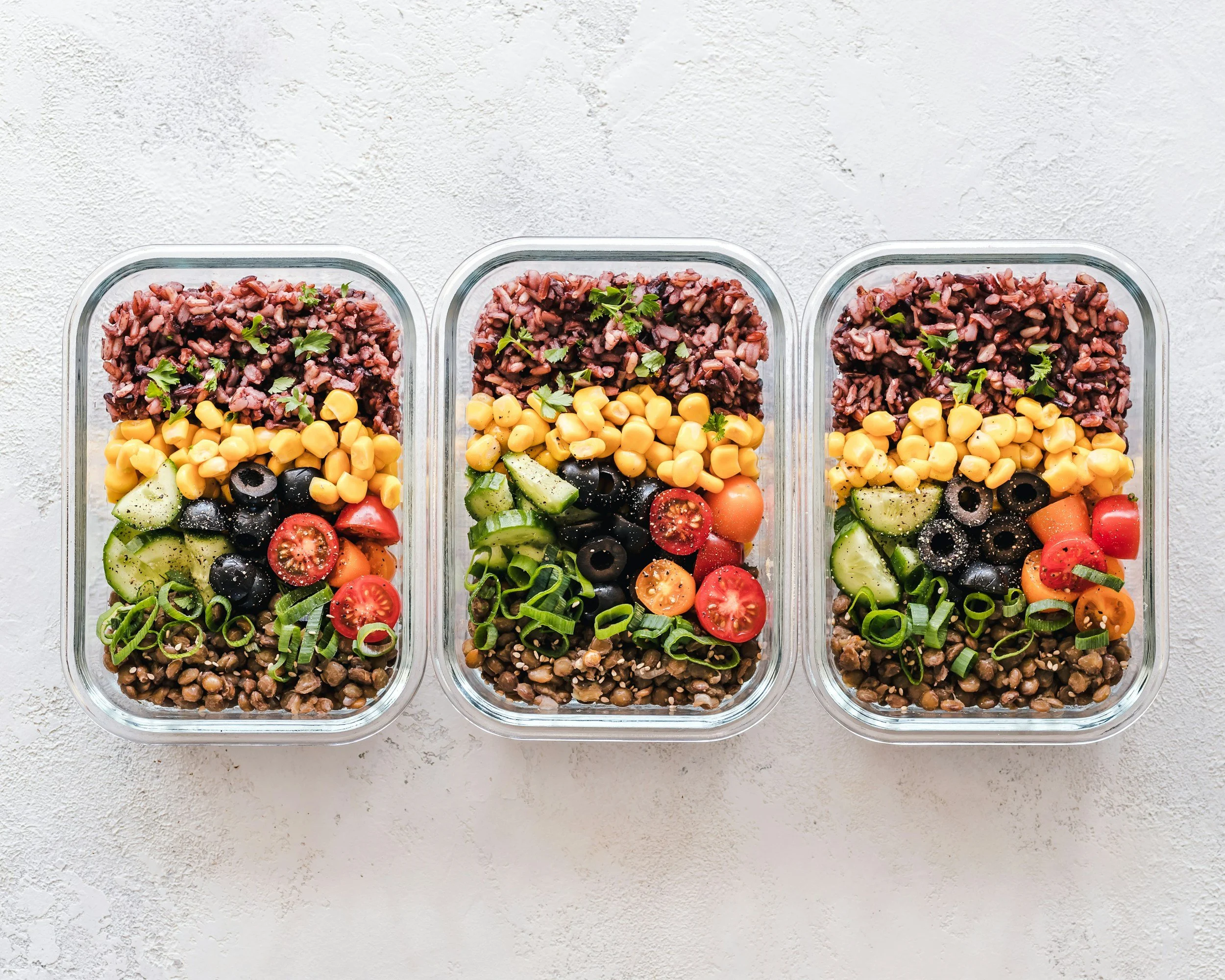
Smart nutrition for metabolism means eating enough protein, not crashing your calories, and managing carbs and fats in a way that fuels training while still allowing fat loss.
If you’ve spent months or years jumping from crash diet to crash diet and still feel like your metabolism is slow, your energy is trash, and your body composition hasn’t changed much, this is likely the missing piece.
Without this, you can train hard, do endless cardio, and “eat clean” and still not see the fat loss, muscle gain, or energy you want.
What can you do?
A really useful starting framework for your metabolism is:
Set protein high enough
Keep calories in a realistic range (not starvation)
Balance carbs and fats based on your training and preferences
Here’s how to implement it:
1. Dial in protein
Aim for roughly:
0.7–1.0 grams of protein per pound of goal bodyweight (example: goal bodyweight 160 lbs → 110–160g protein per day)
Why this matters for metabolism:
It helps maintain/gain muscle in a deficit
It has a higher “thermic effect” (your body burns more calories digesting protein vs carbs/fats)
It keeps you fuller, so you’re less likely to overeat
2. Avoid “metabolism-killing” crash diets
Chronically eating far below your maintenance calories can:
Drop your energy
Drive hunger and cravings through the roof
Make you move less throughout the day (your body subconsciously saves energy)
Result? You feel miserable, and your metabolism adapts down over time.
Instead, for fat loss, aim for a moderate deficit—typically:
About 20–25% below maintenance calories
Example: if your maintenance is around 2,300 calories, a reasonable fat loss intake might be ~1,700–1,850 calories—not 1,000.
3. Use carbs and fats strategically
There’s no magic ratio, but here’s a simple approach:
Keep protein fixed
Split the rest of your calories between carbs and fats
On hard training days, keep carbs a bit higher
On rest days, you can let fats come up slightly if you prefer
To get started, track your intake for 3–7 days just to see where you are. You can use any food tracker app. You’re not married to tracking forever—but you do need at least one honest snapshot.
Component #3 – Daily Movement & Recovery: Turning Up the “Background Burn”
Definition:
Daily movement (NEAT – Non-Exercise Activity Thermogenesis) and recovery habits are the “silent workers” of your metabolism: all the calories you burn by just existing, moving, and staying alive, plus the way you sleep and manage stress.
Here’s where you’ll really start to bring your metabolism blueprint together. You can lift well and eat pretty well, but if you move like a statue and sleep like garbage, your metabolism will underperform.
Of course, this won’t magically fix itself—and it requires you to be intentional in how you structure your days. Consider breaking it into simple, repeatable habits instead of trying to overhaul your entire lifestyle in a week.
The approach you can use to improve NEAT and recovery is:

Step 1 – Set a realistic step goal
Don’t jump from 2k to 15k steps overnight. Start by:
Finding your current average over a week
Adding 1,500–2,000 steps per day on top of that
Use small levers:
5–10 minute walks after meals
Parking further away
Walking during calls, pacing while texting
This alone can add a surprising number of calories burned per day.

Step 2 – Protect your sleep like a training session
Sleep is where your body:
Regulates hunger hormones (ghrelin, leptin)
Recovers the nervous system
Repairs muscle and tissues
Basics (don’t overcomplicate it):
Aim for 7–9 hours in bed
Go to bed and wake up around the same time each day
Keep your room dark, cool, and quiet
Cut screens or bright light 30–60 minutes before bed when possible

Step 3 – Manage stress so it doesn’t manage your appetite and energy
Chronic stress doesn’t “shut off” your metabolism, but it does:
Push you toward high-calorie comfort foods
Mess with sleep quality
Make training feel way harder
You don’t need a perfect zen routine. Start with one or two of these:
5–10 minutes of deep breathing or mindfulness
A short walk without your phone
Journaling or brain-dumping before bed
Saying “no” to one unnecessary obligation per week
Once you’ve dialed in movement, sleep, and simple stress tools, you’ll be shocked how much easier it is to stick to your training and nutrition—and your metabolism will respond.
Putting it All Together for Your Perfect Metabolism Blueprint

There you have it: the 3 components of your perfect metabolism-boosting system:
Build and keep muscle with progressive strength training
Feed your metabolism with intelligent nutrition (high protein, moderate deficit, no crash diets)
Turn up your background burn with movement, sleep, and stress management
It may sound like a lot, but like anything else, practice makes progress. Don’t try to fix everything at once.
For the next 2 weeks, just focus on:
Hitting your protein target
Strength training 3 times per week
Getting 5k–8k steps per day (or 1–2k above your current average)
This will help you:
Start nudging your metabolism in the right direction
Build habits that actually stick
See early wins in energy, performance, and body composition
What’s next? kickstart your Metabolism
If you want a simple way to get started, the 7-Day Metabolic Test Drive will help you:
Establish a clear daily training and movement plan
Dial in simple nutrition structure without calorie counting
Track key habits and body metrics so you know what’s working
…so you can stop guessing and experience what a structured, metabolism-first plan actually feels like in your real life.
Sources & References
Manini, T. M. (2010). Energy expenditure and aging. Ageing Research Reviews, 9(1), 1–11.
Describes how resting metabolic rate and total energy expenditure decline with age, underscoring the need for strength training and lifestyle strategies.
Protein needs for adult strength training:
Research suggests adults (especially 35+) benefit from higher protein intake combined with resistance training to support muscle mass and metabolic health.“For active adults, research supports intakes of 1.4–2.0 g protein per kg body weight, with higher intakes helping maintain muscle and metabolic function.”
Strength training benefits:
Strength training slows metabolic decline by increasing/maintaining muscle — which burns more calories at rest and improves body composition.Daily movement and NEAT (Non-Exercise Activity Thermogenesis) matters:
Increasing daily steps and incidental movement contributes significantly to metabolism and total daily energy burn.Sleep & recovery influence metabolism:
Quality sleep impacts hunger hormones and energy balance — poor sleep increases appetite and can undermine fat-loss efforts.Metabolic principle (plateau and adaptation):
Human bodies adapt to consistent stressors over time, and progress may slow (“plateau”), highlighting the need for progressive overload, habit cycling, and recovery strategies in training and nutrition.
This content is for educational purposes only and is not intended as medical advice. Always consult a qualified healthcare provider before beginning any nutrition or exercise program.
