What Is a Metabolism Reset Plan? A Guide to Feeling Leaner, Stronger, and Back in Control

The goal of every busy man and woman (especially after 35) is to feel confident in their body again—without obsessing, starving, or starting over every Monday.
But with stress, lack of sleep, a packed schedule, and “mom-life meals”, it can be hard to lose fat consistently so you can feel light, energized, and proud again.
Oftentimes, it just comes down to shifting strategies. So what worked in your 20s won’t work the same way now.
Maybe you’ve been cutting calories, doing random workouts, or trying to “eat clean” and wondering why the scale won’t move… or why you feel worse even when you’re trying harder.
It can make you feel frustrated, defeated, and stuck in your own body.
Today, you’re in luck! I’m going to share a Metabolism Reset Plan that will help you drop body fat, feel strong again, and get your energy back without extreme dieting or spending hours in the gym.
I’ll cover my Metabolic Optimization Protocol, how it works, and how you can get started.
Keep reading for more details.

What Is a Metabolism Reset Plan?
A Metabolism Reset Plan is a simple system that helps your body start responding again by focusing on the real drivers of results:
steady fat loss
better energy + less cravings
more strength + better shape
It aims to support your metabolism, build/maintain lean muscle, and create consistency—even when your life is chaotic.
Here’s the big idea:
Instead of “eating less and doing more,” a reset plan helps you train smarter, eat with structure, and recover better so your body stops feeling like it’s in survival mode.
Who would benefit from it?
If you’re over 35 and you feel like:
your body doesn’t respond the way it used to
you’re tired of starting over
your clothes fit tighter even when you’re “being good”
you want to feel confident again without extremes
…this is for you.
Get started now: 7-Day Metabolic Test Drive
Why Is a Metabolism Reset Plan Important?
Statistics show that resting metabolic rate (RMR) decreases about 2–3% per decade after age 20.
That means your body may naturally burn fewer calories over time even if you’re doing the same things you used to do.
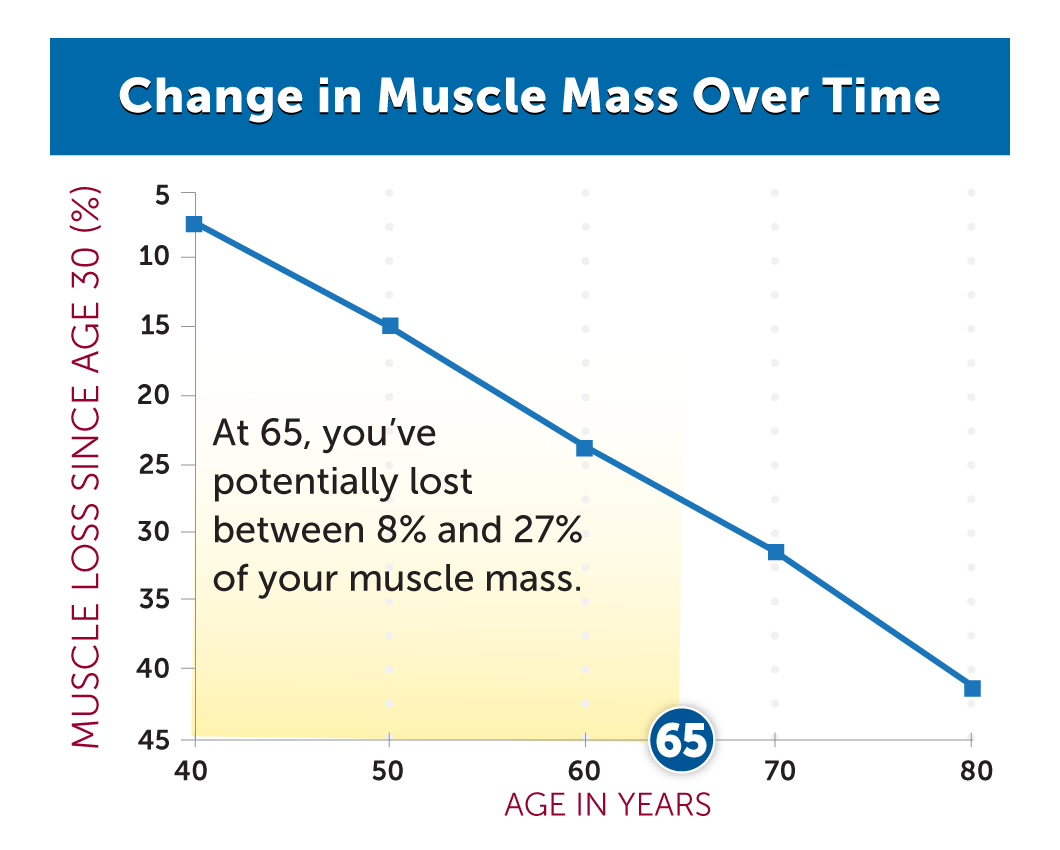
On top of that, muscle mass can decrease about 3–8% per decade after age 30 if you’re not training to maintain it.
And muscle is a big deal because it’s the “engine” that helps shape your body and support your metabolism.
Here’s the real problem your metabolism reset plan solves:
Most women don’t need a harder plan… they need a more realistic plan that doesn’t collapse the second life gets busy.
By implementing a metabolism reset plan, you’ll be able to:
Stop guessing what to eat
Stop doing random workouts
Get results with less stress and more structure
This way, you will feel lighter, stronger, and more in control.
Also, a reset plan gives you the ability to:
build consistency without perfection
keep progress going even with social events, work stress, and family life
That means you won’t have to spend hours and hours trying to “make up for” meals, missed workouts, or a bad day.
Metabolism Reset Plan Examples
If a metabolism reset plan sounds overwhelming, I get it.
It sounds simple until you try to do it while juggling your schedule, your family, and your energy.
So I put together the examples below to break it down for you so you can easily get started.
Eample #1: Protein + Strength Training (The “Tone Up” Combo)

This is a simple strategy where you eat enough protein and lift weights 2–4x/week to help your body hold onto muscle while you lose fat.
Although this may seem like the “basic” way to do things, it’s actually one of the most effective and sustainable strategies.
Plus, it helps you feel:
fuller longer
stronger week to week
more confident because your shape changes even before the scale does
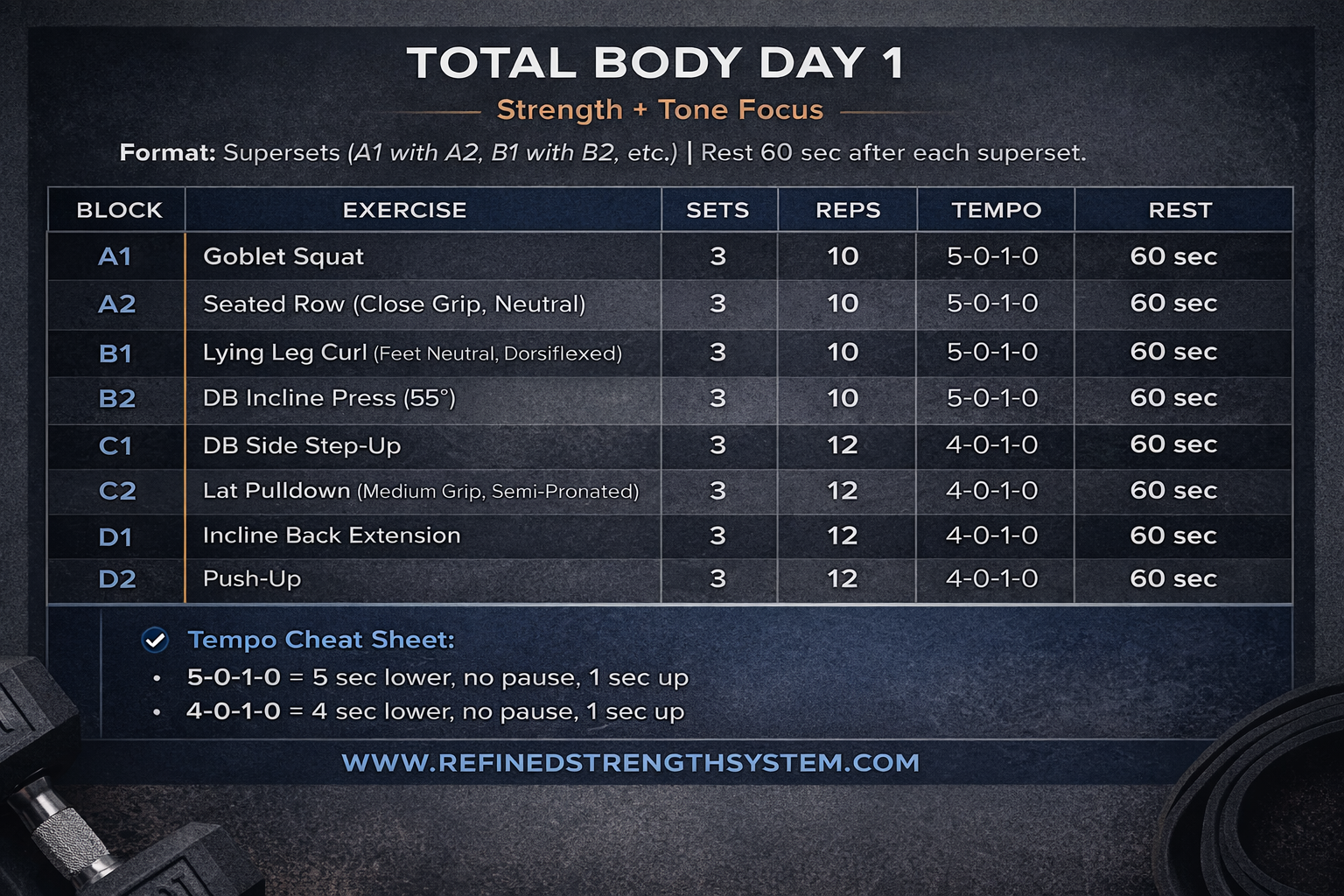
That means you get a predictable, repeatable way to change your body without crash dieting.
Example #2: The “Busy Day Meal Structure” (No More Random Snacking)
The more consistent you can be with your meals, the easier it becomes to control cravings and portions.
That’s where meal structure comes in.
Meal structure means you’re not winging it. You’re using a simple format like:
Meal Formula:
Protein + Fiber + Smart Carbs (optional) + Healthy Fat (small)
For example:
Breakfast: Greek yogurt + berries + granola
Lunch: Chicken salad wrap + fruit
Dinner: Salmon + rice + veggies
Snack: Protein shake or cottage cheese
The best way to implement this is to pick 2–3 go-to meals and rotate them.
That way, you’re not relying on motivation. You’re relying on routine.
Example #3: The “Metabolism Walk” (Daily Steps = Hidden Fat Loss)
This is one of the most underrated parts of a metabolism reset plan.
Daily walking helps you burn more calories without burning yourself out.
Try this simple goal:
7,000–10,000 steps per day
(or start at your current level + add 1,000 steps)
This is especially powerful when your life is stressful, and your workouts feel inconsistent.
It keeps your progress moving forward—even on “messy” weeks.
Tips for Metabolism Reset Plan Success
Here are a few tips to help you maximize your results:
Tip #1: Focus on consistency, not intensity
To get the best results, you have to continually stack small wins.
When you create a consistent routine, you effectively remove the “all-or-nothing” mindset.
For example:
Even 3 workouts per week + structured meals beats “perfect” for 5 days then quitting.
Pro tip: track your wins (workouts, steps, protein) instead of obsessing over the scale.
This way, progress feels visible fast.
Related Post: The Perfect Metabolism Blueprint for Busy Lifters
Tip #2: Protect your sleep like it’s part of the plan
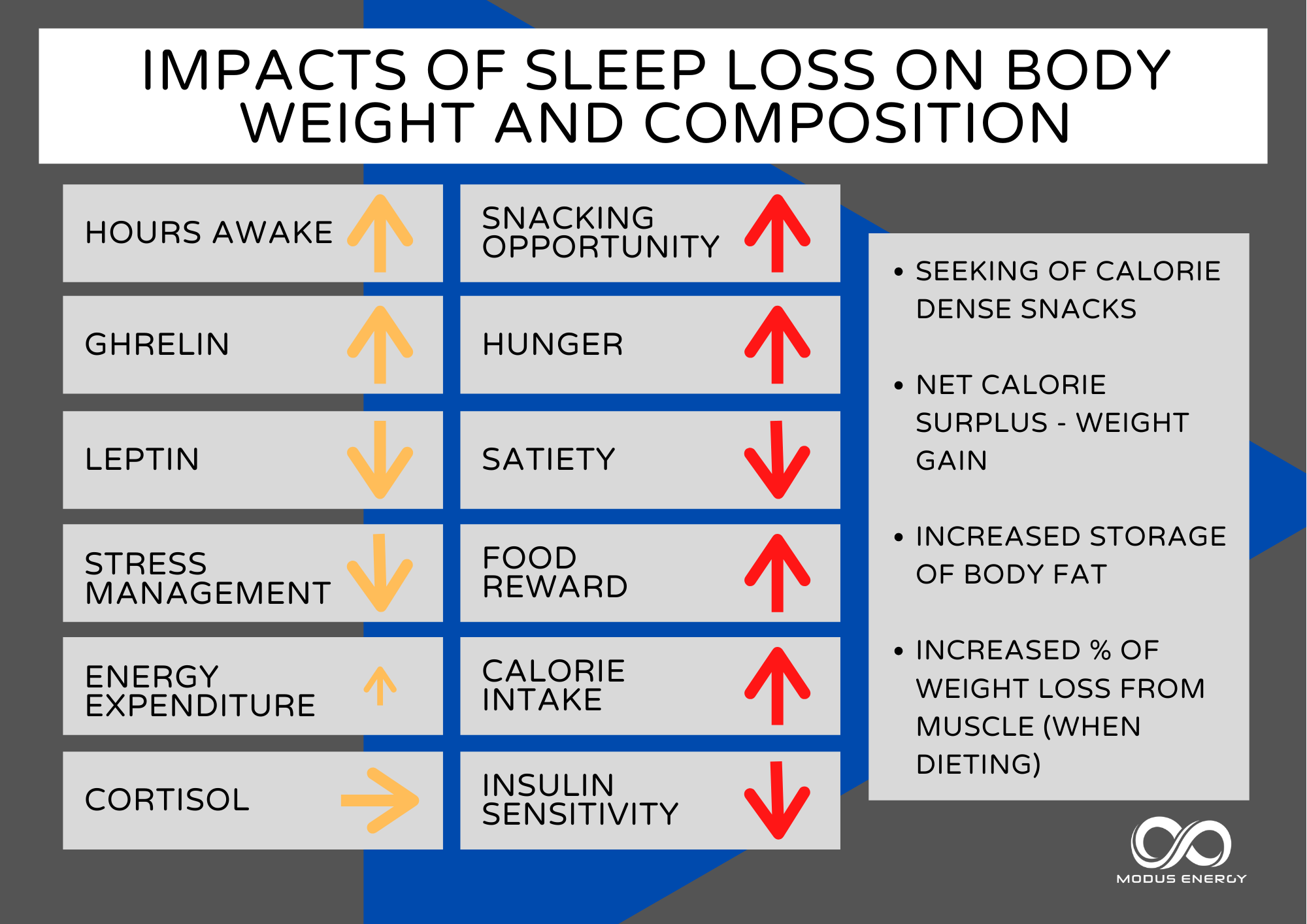
When sleep is low, cravings go up.
Research shows sleep restriction can increase hunger signals like ghrelin and can lead to higher calorie intake.
There’s also research showing changes in hunger hormones after short sleep (including a higher ghrelin-to-leptin ratio).
To get started:
Pick a bedtime “shutdown time” (even 30 minutes earlier)
Keep your phone out of bed
Aim for a calm wind-down routine 3–5 nights/week
Tip #3: Stop dieting like it’s a punishment
A reset plan is not “eat as little as possible.”
When calories drop too low for too long, your body can adapt—this is often called adaptive thermogenesis, meaning your energy expenditure can decrease beyond what you’d expect from weight loss alone.
Translation:
You don’t need a harder diet. You need a smarter one.
One thing you can do is follow a structured plan for your meals and workouts instead of cutting more and more.
Grab my free 7-Day Metabolic Test Drive here.
Start Your Metabolism Reset Plan Today
I hope this guide on a metabolism reset plan has been helpful. If you take anything away from this guide, remember:
Your metabolism isn’t “broken.”
Your body isn’t “too far gone.”
You just need a plan that fits your real life.
The best way to start is to begin with Tip #1: consistency over intensity. You can set yourself up for real progress without burnout.
So, what do you say? Are you ready to give it a go?
Free 7-Day Metabolism program
Now that you know the ins and outs of a metabolism reset plan, it’s time to grab your 7-Day Metabolic Test Drive and see how easy it is to start getting results again.
Free 7-Day Metabolic Test Drive
Want a simple reset that fits real life?
Inside your 7-Day Metabolic Test Drive, you’ll get:
Start + end weigh-ins & measurements (waist/hips) so you can see change fast
Training + habit plan built for busy schedules
Daily encouragement messages to keep you consistent when motivation dips
Tracking tools to log workouts, habits, and how you feel
Private support community for accountability + questions
Start here: 7-Day Metabolic Test Drive
Sources & References
Rosenbaum, M., & Leibel, R. L. (2010).
Adaptive thermogenesis in humans.
International Journal of Obesity, 34(S1), S47–S55.Explains why metabolism can slow beyond expected levels after dieting and weight loss, supporting the idea that “eating less and doing more” can backfire.
Manini, T. M. (2010).
Energy expenditure and aging.
Ageing Research Reviews, 9(1), 1–11.Details age-related declines in resting metabolic rate and total energy expenditure.
Hunter, G. R., McCarthy, J. P., & Bamman, M. M. (2004).
Effects of resistance training on older adults.
Sports Medicine, 34(5), 329–348.Supports the importance of strength training for preserving lean muscle mass and metabolic health as we age.
Phillips, S. M., & Van Loon, L. J. C. (2011).
Dietary protein for athletes: From requirements to metabolic advantage.
Applied Physiology, Nutrition, and Metabolism, 36(5), 647–654.Provides evidence for adequate protein intake to support muscle retention and body composition.
National Institutes of Health (NIH).
Sarcopenia (muscle loss with aging).
https://www.nia.nih.gov/health/sarcopeniaConfirms age-related muscle loss and its impact on strength, metabolism, and physical function.
Spiegel, K., Tasali, E., Penev, P., & Van Cauter, E. (2004).
Brief communication: Sleep curtailment in healthy young men is associated with decreased leptin levels, elevated ghrelin levels, and increased hunger and appetite.
Annals of Internal Medicine, 141(11), 846–850.Supports claims about poor sleep increasing hunger and cravings.
Taheri, S., Lin, L., Austin, D., Young, T., & Mignot, E. (2004).
Short sleep duration is associated with reduced leptin, elevated ghrelin, and increased body mass index.
PLoS Medicine, 1(3), e62.Reinforces the sleep–hormone–weight regulation connection.
Pontzer, H. (2015).
Energy expenditure in humans and other primates: A new synthesis.
American Journal of Human Biology, 27(4), 413–424.Explains how total daily energy expenditure adapts and why simply adding more exercise doesn’t always lead to more fat loss.
World Health Organization (WHO).
Physical activity guidelines for adults.
https://www.who.int/news-room/fact-sheets/detail/physical-activitySupports walking and daily movement as foundational, sustainable activity for metabolic health.
American College of Sports Medicine (ACSM).
ACSM Position Stand: Progression Models in Resistance Training for Healthy Adults.
Medicine & Science in Sports & Exercise, 41(3), 687–708.Provides evidence-based support for resistance training frequency, progression, and long-term consistency.
This content is for educational purposes only and is not intended as medical advice. Always consult a qualified healthcare provider before beginning any nutrition or exercise program.
