10 Super Simple Ways Busy Chicago Professionals Can Lose Weight Without Living in the Gym

If losing weight is one of your goals, you may assume you need to spend six days a week in the gym, completely overhaul your diet, or somehow find extra hours in an already packed schedule.
You don’t.
For many busy professionals, the bigger problem isn’t knowing that exercise and nutrition matter. It’s figuring out how to make them work alongside early meetings, long workdays, commuting, client dinners, travel, family responsibilities, and everything else competing for your attention.
Maybe you’ve caught yourself thinking:
I don’t have enough time.
I need to get in better shape before I start.
If I can’t train five days a week, what’s the point?
I’ll start when work slows down.
Sound familiar?
The problem is that waiting for the perfect time usually means waiting indefinitely.
A more effective approach is building a routine around the life you actually have.
If you’re a busy professional in Chicago trying to lose weight, get stronger, and feel better without making fitness your second job, start with these 10 simple strategies.
#1. Stop Trying to Find Time for Exercise—Schedule It

Make it stand out
Whatever it is, the way you tell your story online can make all the difference.
One of the easiest ways to become more consistent is to stop treating workouts as something you’ll squeeze in when you have free time.
Free time has a way of disappearing.
Instead, schedule your training sessions the same way you would an important business meeting.
Look at your calendar at the beginning of the week and decide:
Which days will you train?
What time will you train?
How long do you realistically have?
What is your backup plan if the day gets hectic?
For many professionals, 2–4 focused strength-training sessions per week can be much easier to maintain than trying to exercise every day.
The goal isn't to create the most impressive workout schedule.
It’s to create one you can repeat.
Pro Tip: Book your workouts before your workweek fills up. If your calendar controls most of your life, put your fitness on the calendar too.
#2. Make Strength Training the Foundation

If you only have a few hours each week to dedicate to exercise, you want those hours to count.
That’s one reason I like making progressive strength training the foundation of a busy professional's program.
Instead of bouncing between random workouts, focus on basic movement patterns such as:
Squats
Hinges
Lunges
Rows
Presses
Carries
Core exercises
You don't need dozens of exercises in every session.
You need the right exercises, performed consistently, with a plan for gradually improving.
For someone trying to lose weight, strength training can also help you focus on more than the number on the scale. You can work toward becoming stronger, improving your body composition, and feeling more capable in everyday life.
Pro Tip: Don't judge a workout by how exhausted it makes you. Judge it by whether it moves you closer to your goal.
#3. Create a 20-Minute Backup Workout

Busy weeks happen.
Your 60-minute training session gets crushed by a meeting.
Your commute takes longer than expected.
Someone schedules a call during your normal workout time.
That doesn't mean the entire day has to become a loss.
Create a shortened version of your workout for days when your schedule blows up.
For example:
20-Minute Backup Workout
Squat variation
Upper-body push
Upper-body pull
Hip-hinge variation
Carry or core exercise
You might complete two or three focused rounds and move on with your day.
Is it your ideal workout?
Maybe not.
But maintaining your routine is usually more valuable than constantly restarting because every workout couldn't be perfect.
Pro Tip: Have your full workout and your shortened workout planned before you need them.
#4. Build Your Meals Around Protein

You do not need a complicated meal plan to start improving your nutrition.
Begin with one question:
Where is the protein?
When possible, build meals around a quality protein source and then add produce, carbohydrates, and healthy fats based on your needs.
Simple options might include:
Eggs
Greek yogurt
Chicken
Turkey
Fish
Lean beef
Cottage cheese
Tofu or tempeh
A protein shake when convenience matters
This becomes especially useful during busy workdays when the alternative is grabbing whatever happens to be closest to the office.
Your meals do not need to look like fitness-model meal prep.
They just need enough structure to keep convenience from making every nutrition decision for you.
Pro Tip: Decide on your protein source first when ordering at a restaurant or building your plate.
#5. Stop Trying to Be Perfect Monday Through Friday

One of the biggest mistakes I see people make is treating nutrition like an all-or-nothing challenge.
They eat perfectly for a few days.
Then comes a client dinner.
A couple of drinks.
A restaurant meal.
Maybe dessert.
Suddenly they decide they "blew their diet" and spend the rest of the weekend eating whatever they want.
One meal rarely determines your progress.
Your repeated habits do.
If you have dinner at a restaurant in the West Loop on Thursday night, you don't need to punish yourself with extra cardio Friday morning.
Enjoy dinner.
Then return to your normal routine at the next meal.
That ability to get back on track quickly is a skill.
Remember: One higher-calorie meal doesn't ruin your progress. Turning one meal into a four-day free-for-all can make progress much harder.
#6. Walk More Without Calling It Cardio

Increasing your activity doesn't always require another formal workout.
Chicago gives you plenty of opportunities to move.
Walk to grab coffee.
Get off public transportation one stop early.
Take a 10-minute walk after lunch.
Walk while you're on a phone call.
Choose the stairs.
Take a longer route when walking the dog.
Walk around the neighborhood after dinner.
Small amounts of movement accumulated throughout the day can be much easier to maintain than trying to add another hour at the gym.
This is especially helpful if most of your workday is spent sitting behind a desk.
Pro Tip: Look for opportunities to attach walking to something you're already doing instead of creating another task on your schedule.
#7. Have a Strategy for Restaurants and Client Dinners

Trying to avoid restaurants completely probably isn't realistic for many Chicago professionals.
You also don't have to.
Instead, build a simple restaurant strategy.
Start with protein
Choose an entrée centered around chicken, seafood, lean meat, or another protein source.
Add vegetables
Look for vegetables, salads, or other produce that you actually enjoy.
Choose what matters
If you really want dessert, have dessert.
If the cocktails aren't important to you, skip them.
If you want a drink, you may decide that the appetizer isn't worth it.
This isn't about following rigid rules.
It's about making deliberate choices instead of treating every restaurant meal like a cheat day.
Pro Tip: You don't need to order the lowest-calorie thing on the menu. Order something you enjoy that still supports the bigger goal.
#8. Make Your Environment Do Some of the Work

Motivation is unreliable.
Your environment can make consistency much easier.
Keep simple foods available at home.
Pack your gym clothes the night before.
Keep your training shoes where you'll see them.
Have a few reliable meals you can order near your office.
Schedule grocery delivery when work gets busy.
Keep quick protein options available.
Put your training appointments on your calendar.
The fewer decisions you need to make in the moment, the easier it becomes to follow through.
This is particularly important when you're tired.
At 7:00 a.m., your carefully planned routine may sound great.
At 7:00 p.m. after a stressful workday, convenience usually wins.
So make the convenient choice a better choice.
#9. Stop Changing Your Plan Every Two Weeks

You don't need another trendy workout.
You don't need a completely different diet every month.
And you probably don't need to start over every Monday.
You need enough consistency to determine whether what you're doing is actually working.
Track a few meaningful indicators such as:
Body weight trends
Waist measurements
Strength
Workout consistency
Energy
Sleep
How your clothes fit
Nutrition habits
Then adjust based on what the data tells you.
If progress slows, that doesn't automatically mean your metabolism is "broken."
It may simply mean your training, nutrition, activity, recovery, or consistency needs to be adjusted.
A good program should evolve with you instead of forcing you to repeatedly start from scratch.
Pro Tip: Give your plan time to work before assuming you need a new one.
#10. Get Help Instead of Trying to Figure Out Everything Yourself
Yes, you can do all of this yourself.
But you don't have to.
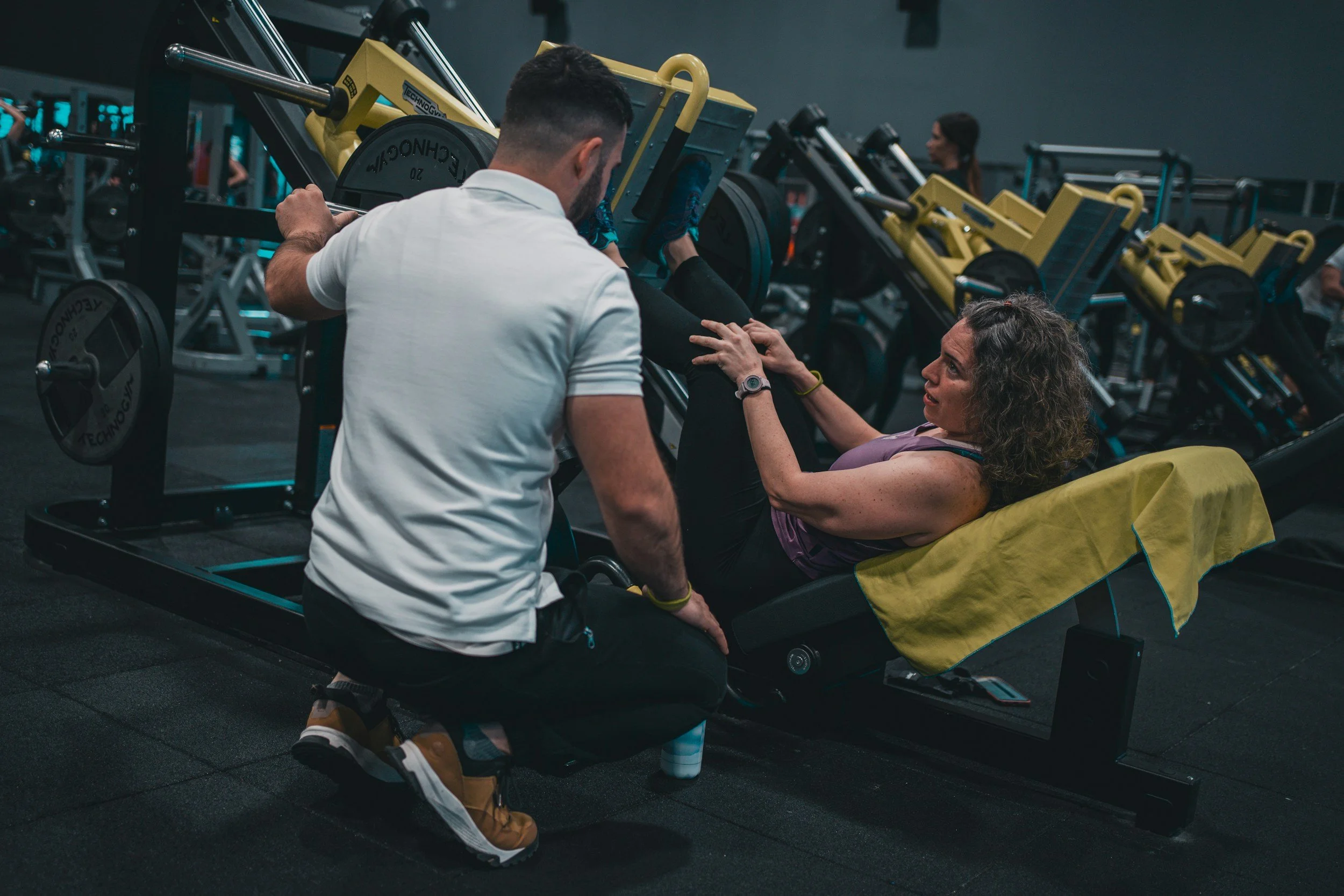
One of the biggest advantages of working with a coach isn't simply having someone count your repetitions.
It’s removing guesswork.
What should you do today?
How hard should you train?
Should your program change?
What should you eat?
What happens when you travel?
What if your weight hasn't changed?
What if work becomes incredibly busy?
A good coaching system helps answer those questions and gives you a structure that can adapt to real life.
That's especially valuable when your career already requires you to make decisions all day.
Your fitness routine shouldn't become another complicated project to manage.
For many of my clients, the goal is simple:
Train. Get stronger. Improve nutrition. Track progress. Make adjustments. Repeat.
You don't need to live in the gym.
You need a system.
There You Have It
Losing weight as a busy professional isn't about doing everything perfectly.
It's about identifying the handful of habits that produce the greatest return and making them realistic enough to repeat during your busiest weeks.
Start with:
Scheduled strength training
More daily movement
Protein-centered meals
A plan for restaurants
Backup workouts
Simple progress tracking
Consistency instead of perfection
Do those things well before worrying about another supplement, fitness trend, or complicated diet.
And if you're looking for more structure, that's exactly what I help clients build through the Refined Strength System.
I provide private, one-on-one personal training for busy professionals in Chicago who want to lose weight, build strength, improve their body composition, and have more energy without organizing their entire lives around the gym.
In-person coaching is available 2, 3, or 4 times per week, with the training frequency and plan built around your goals, schedule, experience, and recovery.
Ready to See If Coaching Is a Good Fit?
No pressure and no need to already be "in shape." The first step is simply determining where you are now, where you want to go, and whether Refined Strength System is the right fit to help you get there.
Looking for more ways to improve your fitness with a busy schedule?
You may also enjoy:
Want to Start Before You Hire a Coach?
Try the 7-Day Metabolic Test Drive.
You'll spend one focused week testing the training, habit, and tracking approach I use to help clients create a more structured fitness routine without extreme dieting or endless cardio.
